
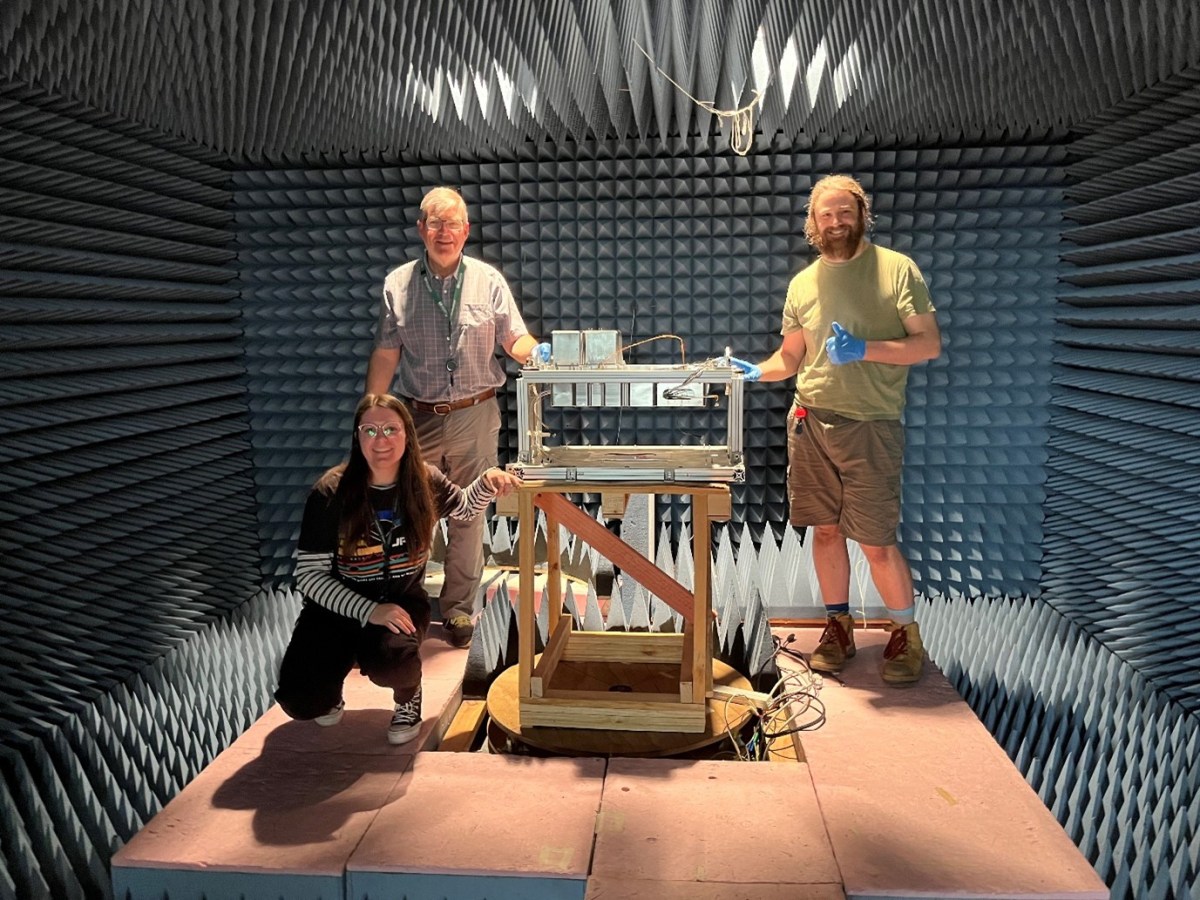
Planning ahead for Hēki’s safe return to Earth
The Hēki team is planning and prioritising test activities to use our remaining time on the ISS most efficiently. In…
Kia ora and welcome to the Paihau—Robinson Space Team blog, where we’ll have status updates from the Hēki/Kōkako Mission (and other interesting news from our team)! We’ll post here regularly to communicate the mission’s progress and challenges.
Thank you for visiting… If you’d like to receive updates when a new story is posted, please subscribe at the bottom of the page.
We look forward to sharing our work and our team with you, and we welcome your questions and comments on the stories we post!
The Hēki team is planning and prioritising test activities to use our remaining time on the ISS most efficiently. In…
Happy New Year! Hēki completes its primary 15 week mission this week, and has started its extended mission (scheduled to…
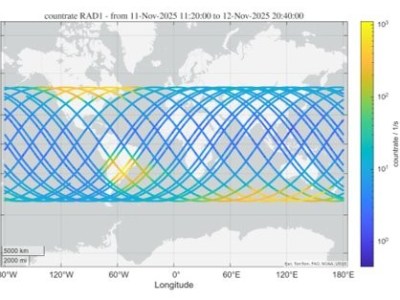
Hēki’s radiation detector experiment has now captured over seven weeks of data at a variety of magnetic fields, including data…
Two nights ago, an anomaly occurred in the system which supplies power to Hēki, and Hēki was unexpectedly powered off…
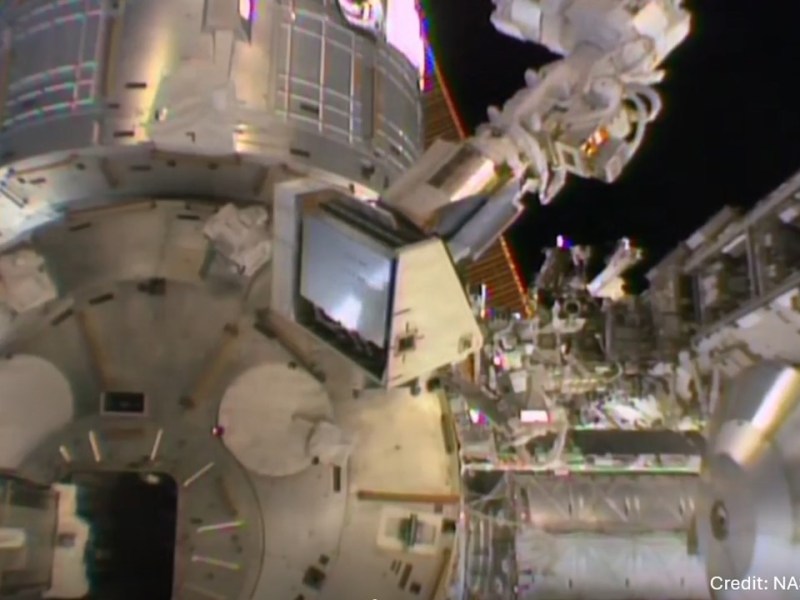
While Hēki continues nominal operations, we now have a video of Hēki’s installation to share!
The Hēki team reached an agreement with Voyager Technologies to extend mission management support for Hēki operations on the International…
This week is an exciting milestone for Hēki! We’re celebrating the half-way point for Hēki’s 15-week primary mission. We’re excited…
A new version of software has been installed on Hēki to provide more flexibility during collection of radiation sensor data…
The Hēki team has just completed the third of three required magnetic field cycles from zero to 500mT, the highest…
A status report about Hēki’s progress on its mission success criteria, and a guest post about the mechanical design &…
Hēki has started nominal operations, collecting radiation sensor data as a function of magnetic field. In parallel, our team is…
Hēki has successfully completed all planned on-orbit commissioning (ie, initial check-out) activities and the team has transitioned to nominal mission…
Hēki’s flux pump control algorithm setpoint was increased from 300 milli-Tesla (mT) to 500mT today and is holding steady at…
The Hēki magnet met our 300 milli-Tesla (mT) mission success criterion during operations today. We will hold the magnet at…
Today, our team was able to successfully energise Hēki’s superconducting magnet for the first time on-orbit. Our magnetic field target…
Today we are able to confirm that Hēki has achieved thermal stability with the magnet at superconducting temperatures – checking…
The second day of Hēki operations concluded with successful checkouts of the systems which cool the magnet and energise it…
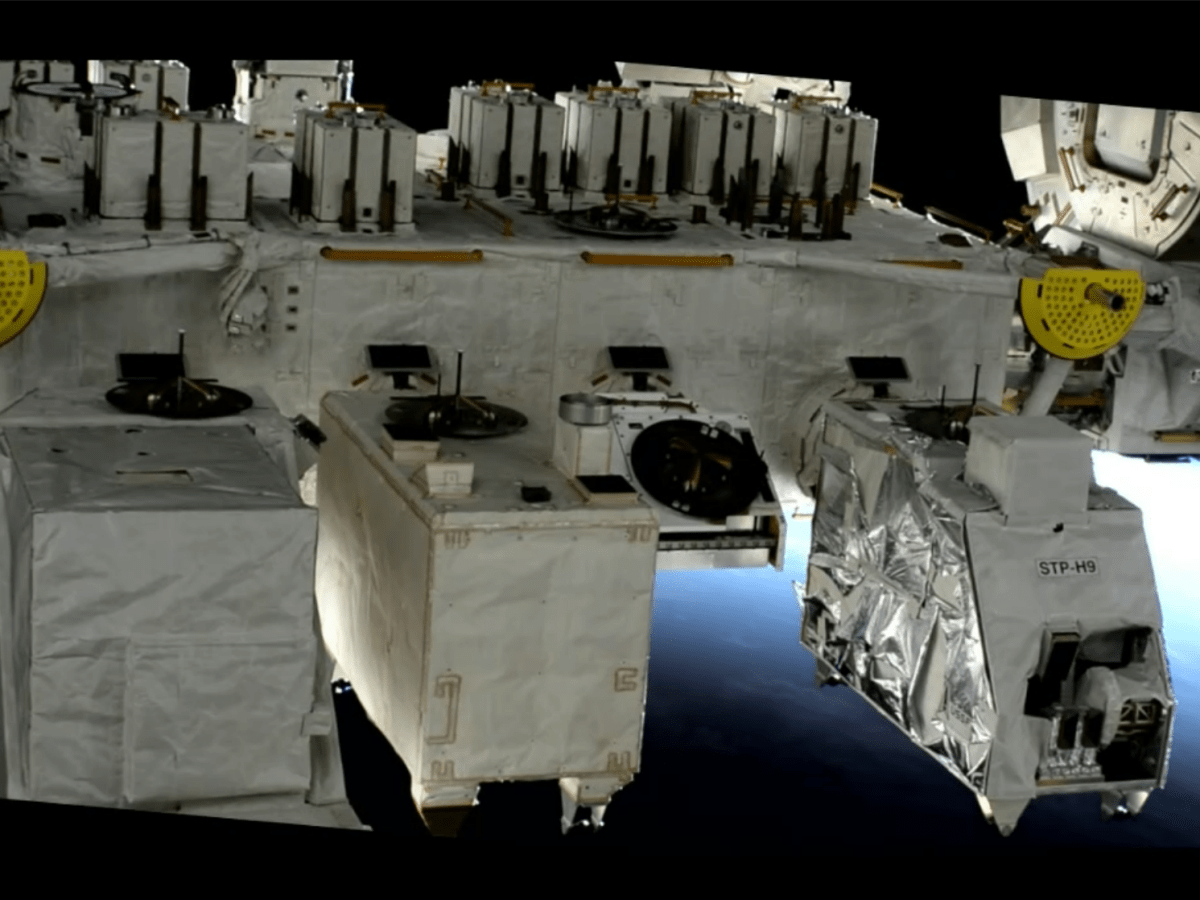
The NREP (integrated with Hēki) has been installed on the exterior of the ISS and initial power on testing and…
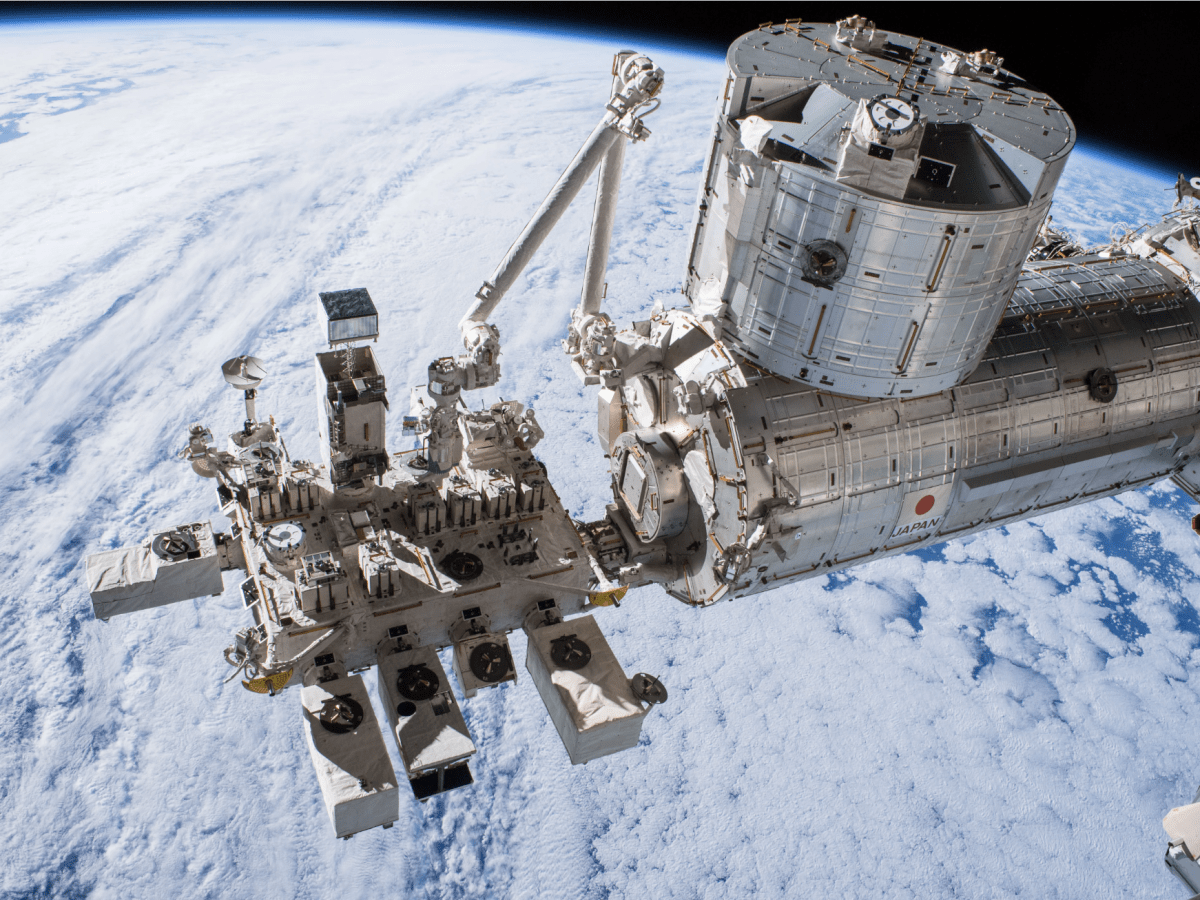
Hēki has been successfully integrated with the Nanoracks External Platform (NREP) structure and placed in the Japanese Experiment Module (JEM)…
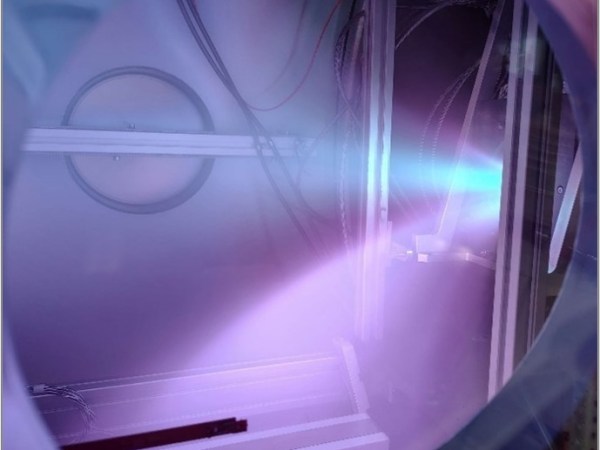
Hēki’s installation has been scheduled, and an update on progress with lab-based testing of the Kōkako electric thruster.
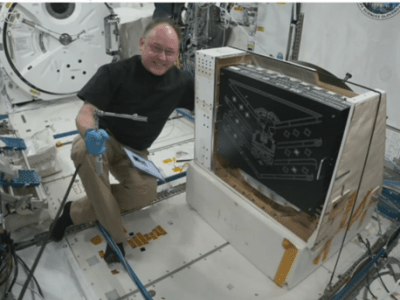
Astronauts have opened the hatch of the NG-23 Cygnus capsule S.S. William “Willie” McCool and begun to unload cargo from…
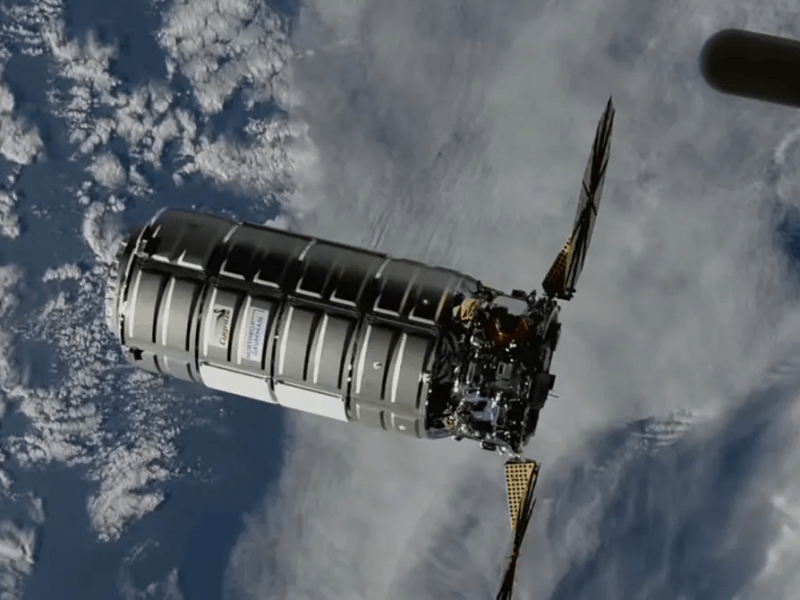
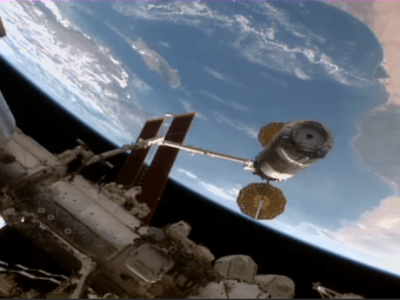
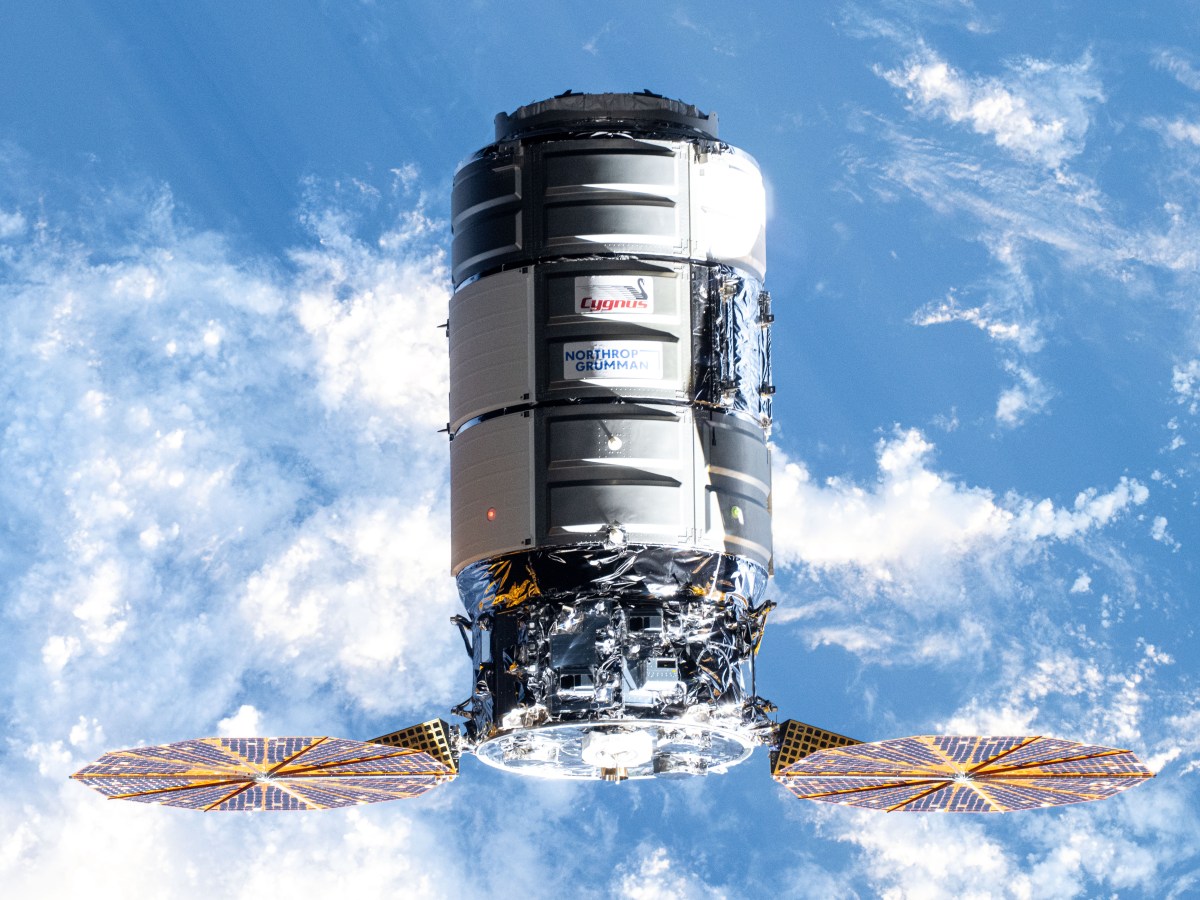
The Northrop-Grumman 23 cargo resupply vechicle carrying Hēki has docked at the ISS. The hatch will be opened later today…
The NG-23 cargo vehicle carrying Hēki has been cleared to proceed to the ISS.
The Northrop-Grumman 23 cargo resupply vehicle carrying Hēki will be delayed arriving at the space station.
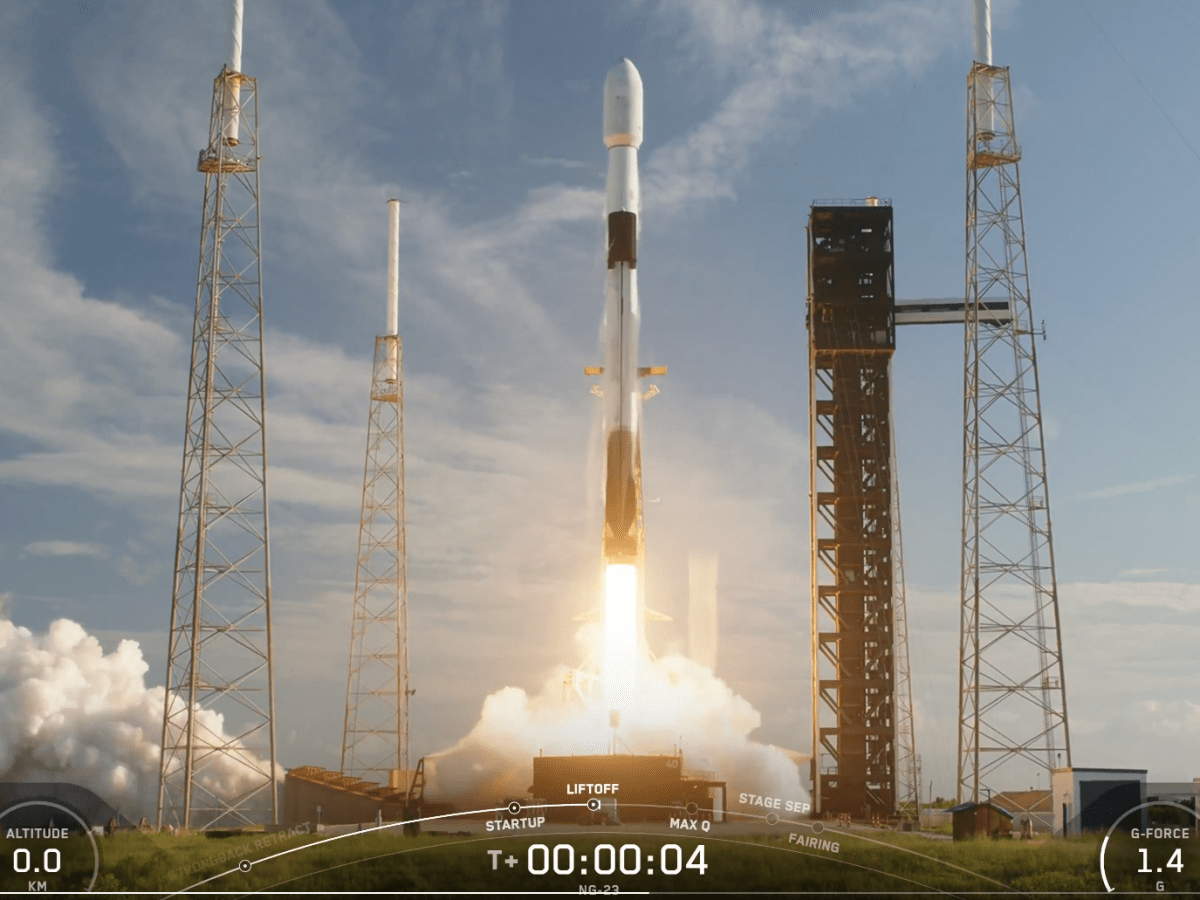
Hēki was launched from Cape Canaveral Florida as part of the 23rd Northrop-Grumman International Space Station (ISS) cargo resupply flight.…
Hēki is now scheduled for launch to the International Space Station (ISS)! We are excited to share that the Hēki…
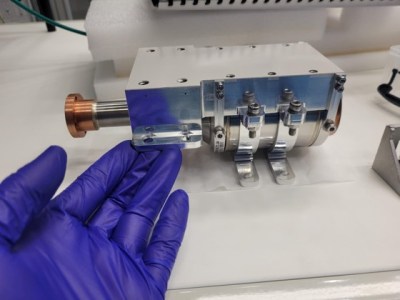
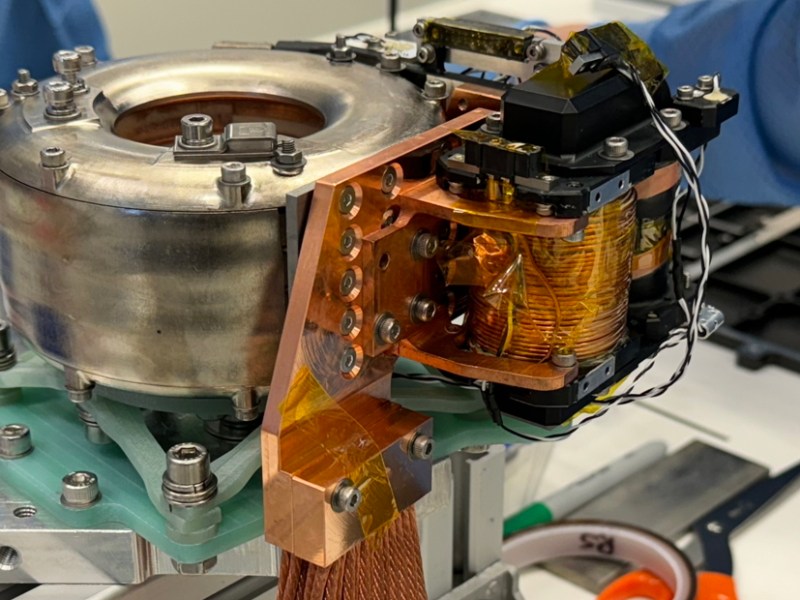
What are Hēki (and Kōkako)? Hēki (te reo Māori for “egg”) is a technology demonstration experiment that is launching to the…
Several years ago, our team had the idea to explore use of high temperature superconductors to advance electric propulsion technology. …
Demonstrating that Hēki would meet its mission objectives started long before the launch. We’ve developed a Mission Goals Checklist (below)…
A team from Paihau—Robinson Research Institute at Victoria University of Wellington/Te Herenga Waka is testing a prototype spacecraft re-entry heat…












 Paihau—Robinson Space Blog