

The Hēki team reached an agreement with Voyager Technologies to extend mission management support for Hēki operations on the International Space Station (ISS) from mid-January through to early April 2026. This mission extension will almost double Hēki’s operations time in space.
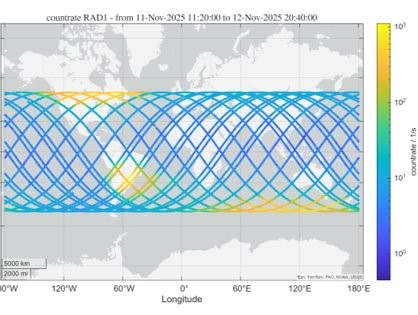
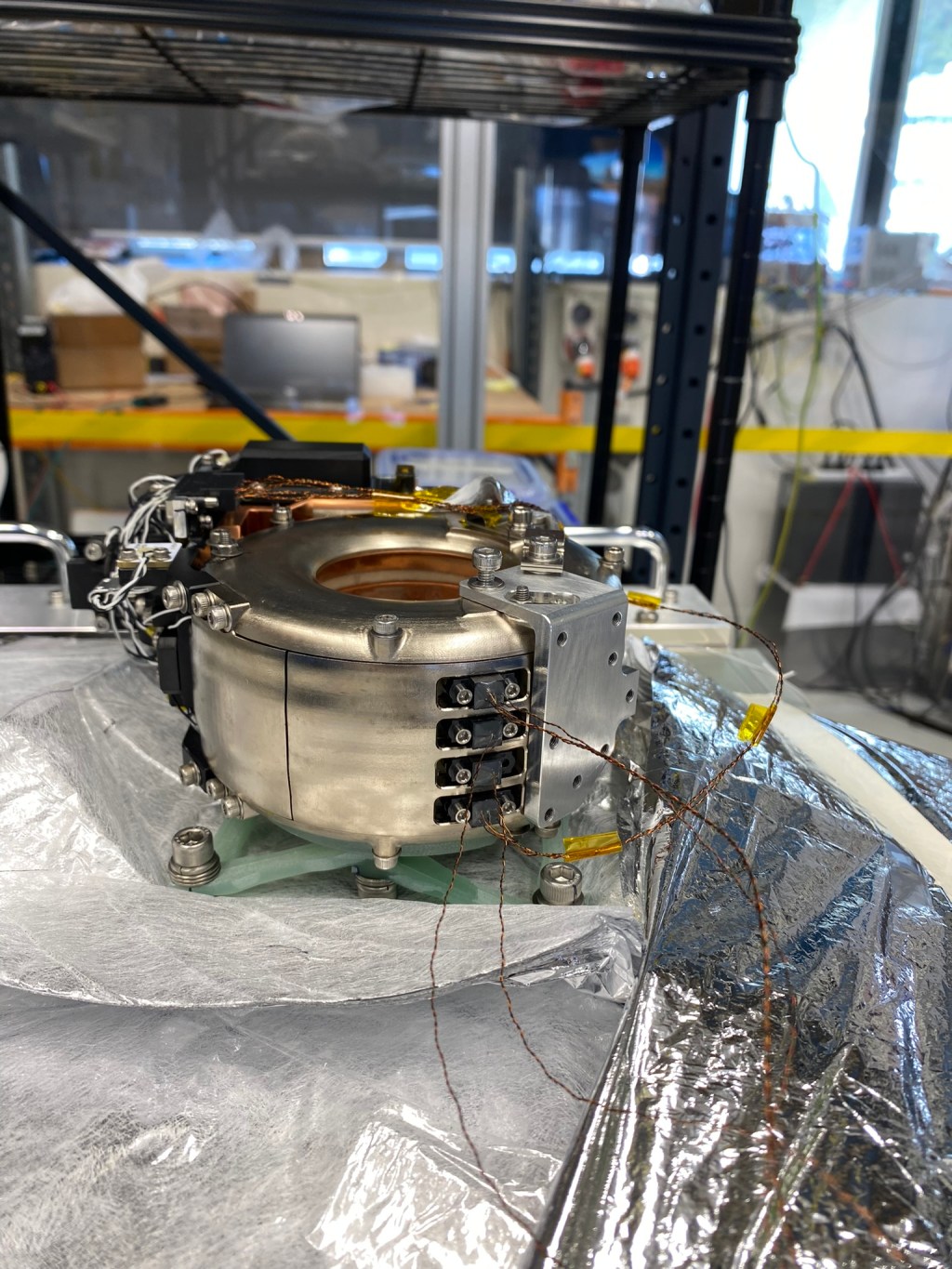
Hēki has operated continuously on the ISS since late September, gathering data on the performance of its superconducting magnet and the flux pump that energises it and accumulating operational hours to validate the reliability of the overall system design. In parallel, Hēki’s radiation detectors are collecting data to characterise the radiation environment on the exterior of the ISS and the influence of Hēki’s magnetic field on the flux of charged particles they receive. This week the team has reversed the magnet field polarity to -500mT as part of this characterisation activity.
Once Hēki’s mission operations on the ISS are complete, Hēki will be returned to Paihau-Robinson Research Institute for extensive post-flight testing and characterisation. Hēki’s original mission was scheduled to conclude in early January, and Hēki will check off its final two in-flight success criteria when that “primary mission” is complete. With the extended mission time now available, Hēki’s operations team is designing a rigorous test programme to explore Hēki’s performance limits and characterise the system over a wide range of operational conditions. The “lessons learned” from these experiments will guide improvements to future designs.
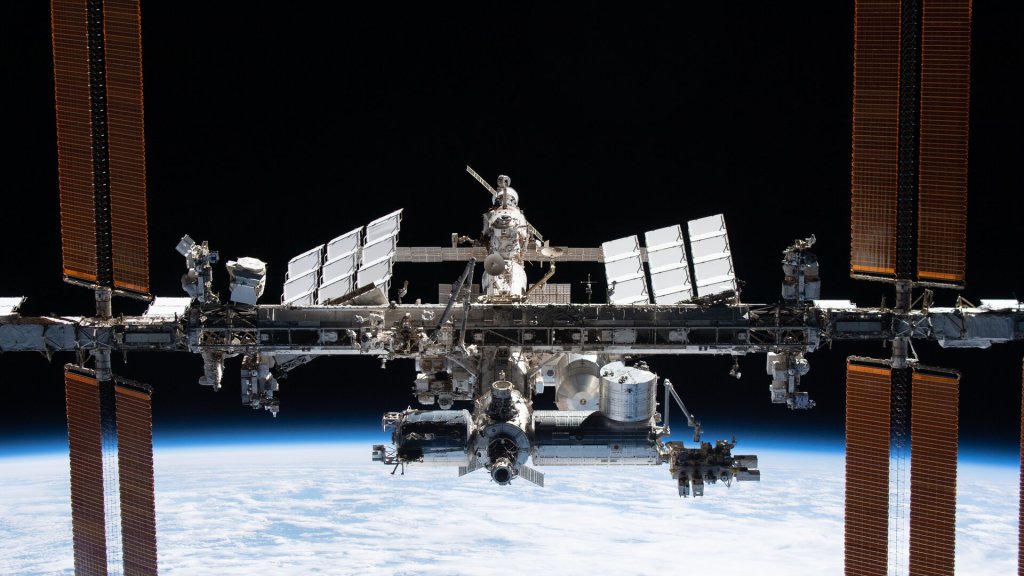
Header Image: Hēki – housed in the Nanoracks External Platform (NREP) – during installation on the exterior of the ISS in September 2025. This screenshot from a video provided by NASA shows the NREP in the process of being moved by the Japanese Experiment Module (JEM) robotic arm from the JEM airlock to the NREP mounting location on the JEM-External Facility. Hēki’s reflective radiator surface is visible in the image. More photos of Hēki during installation in the NREP can be found in this post. The JEM arm move will be reversed in April once Hēki has been powered off, returning it to the interior of the ISS for packing and return to Earth. Credit: NASA
 Paihau—Robinson Space Blog
Leave a comment