
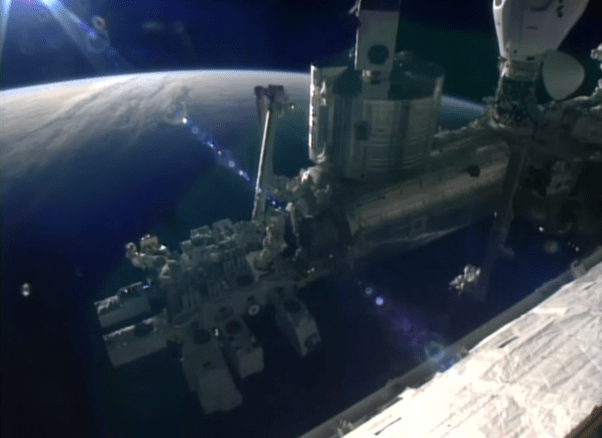
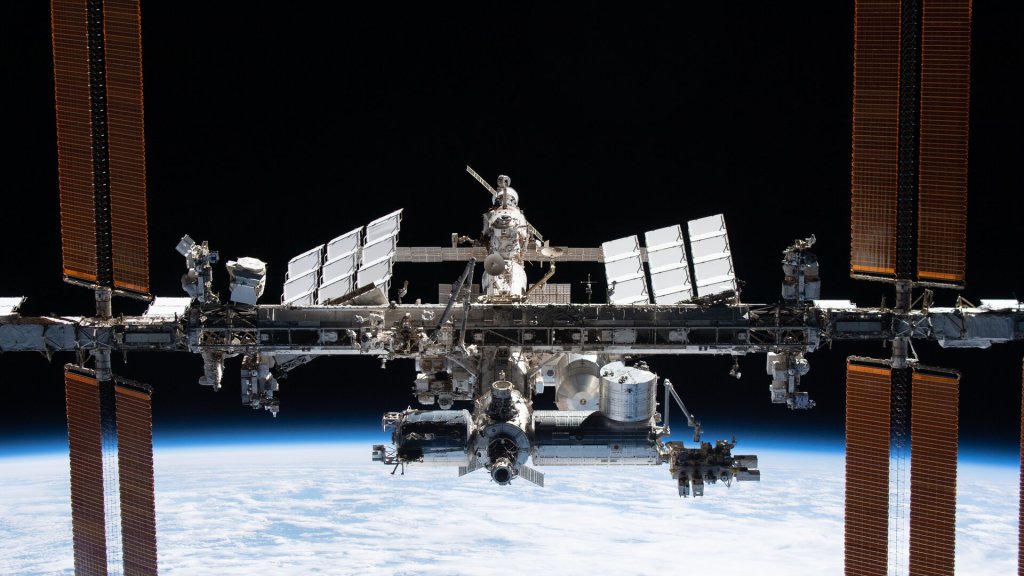
Today, our team was able to successfully energise Hēki’s superconducting magnet for the first time on-orbit. Our magnetic field target was 100 milli-Tesla (mT), about 5-10% of the magnetic field strength commonly used for medical imaging.
Over the next few days, the magnet will be ramped up to 300mT, and then to a maximum of 500mT, before being ramped back down to compete its initial checkout. Meeting or exceeding the 300mT value will satisfy the 8th of Hēki’s 12 mission success criteria, and successfully charging and de-magnetizing the magnet is a significant step toward completing the three charging cycles specified for the 10th mission success goal.
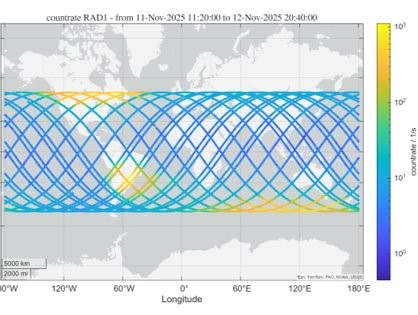
Once the initial charge/discharge cycle is successfully completed, we’ll bring the radiation detectors online again to start characterising how the strength of the magnetic field shields the detectors from the charged particle radiation flux in space – data which will allow us to complete the 9th of Hēki’s 12 mission success criteria.

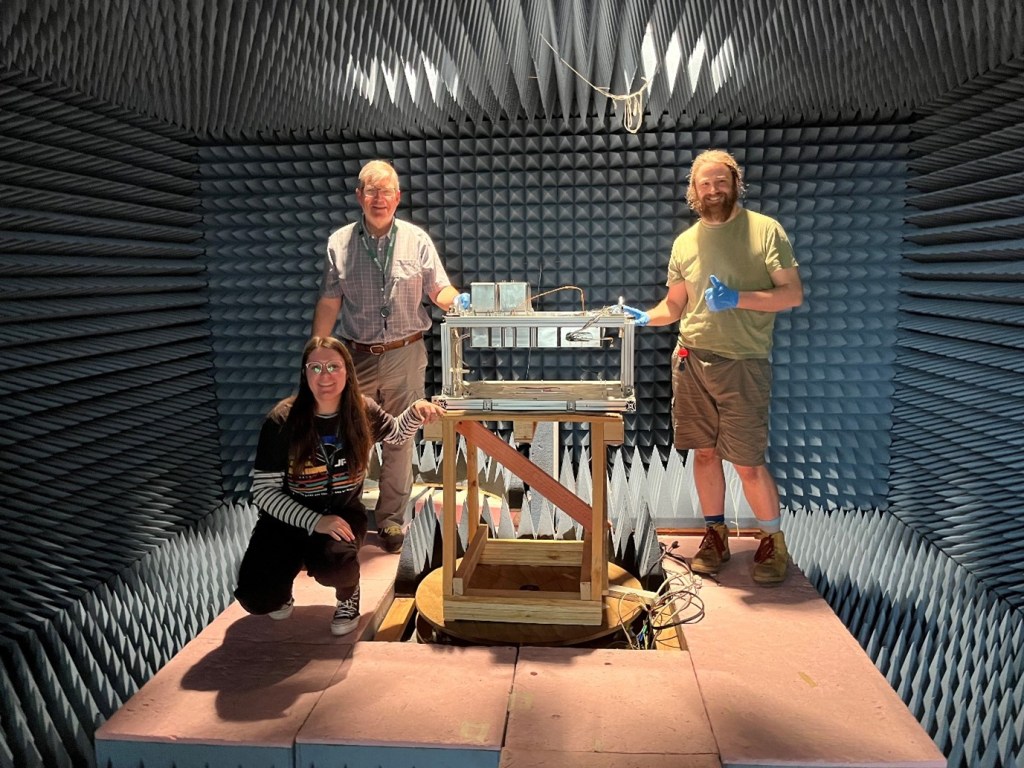
Donut-shaped Hēki magnet – encased in steel shield – is shown during assembly. Flux pump is located to the right of the magnet.

 Paihau—Robinson Space Blog
Leave a reply to usually919dd24eab Cancel reply