
Hēki installation scheduled
Hēki’s mechanical installation has now been scheduled for Saturday, 27 September 02:30AM (NZ) – our team will need to wake up (very) early to see the activity, but it will be mid-afternoon for the crew on the ISS. The installation process is estimated to take 45 minutes.
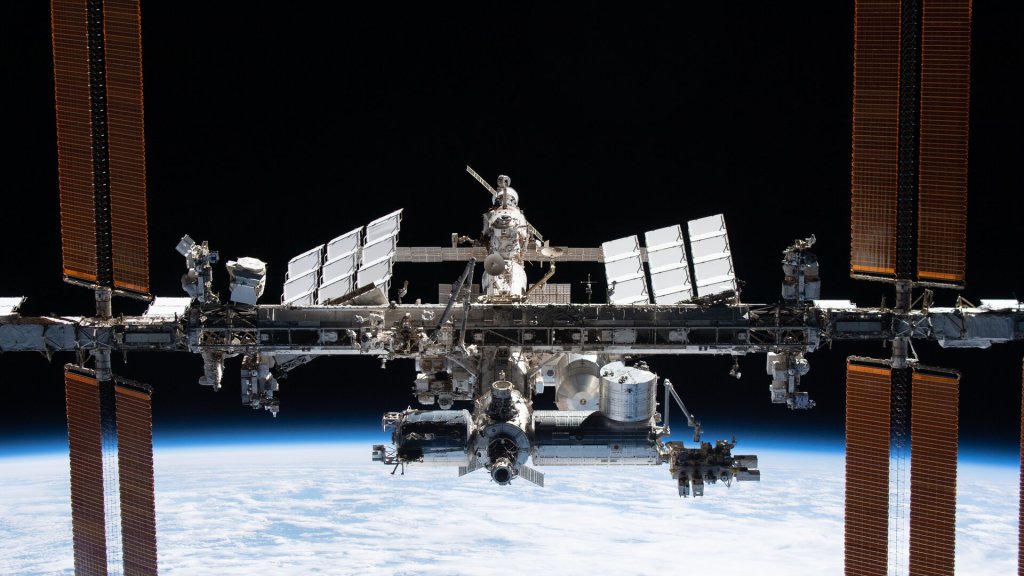
For the installation, the ISS crew will unpack Hēki from its shipping container and mechanically integrate it with the NanoRacks External Platform (NREP) structure and then place the NREP (with Hēki) on the slide table in the Japanese Experiment Module (JEM) airlock. The NREP is managed by the team at Voyager Technologies and provides communication and power interfaces between Hēki and the ISS (in addition to structural support). You can see more information on this process for prior experiments, here.
Once the mechanical installation is complete, Hēki’s next activities are currently scheduled for Monday, 29 Sept and will be as follows:
- 12:30-19:00 (NZ): Japan Aerospace Exploration Agency (JAXA) team commands robotic arm to move the NREP to its mounting location on the Japanese Experiment Module External Facility (JEM-EF). We will not be able to watch this move in real time, but video of this activity should be available later.
- 20:40 (NZ): Hēki and Voyager Technologies team power on and check out of NREP, followed by power on and check out of Hēki.
As always, the timing of any of these events may shift based on other ISS work and we’ll provide updates as we have them.
Kōkako electric thruster exceeds 300 test measurements
Emile Webster, Senior Engineer
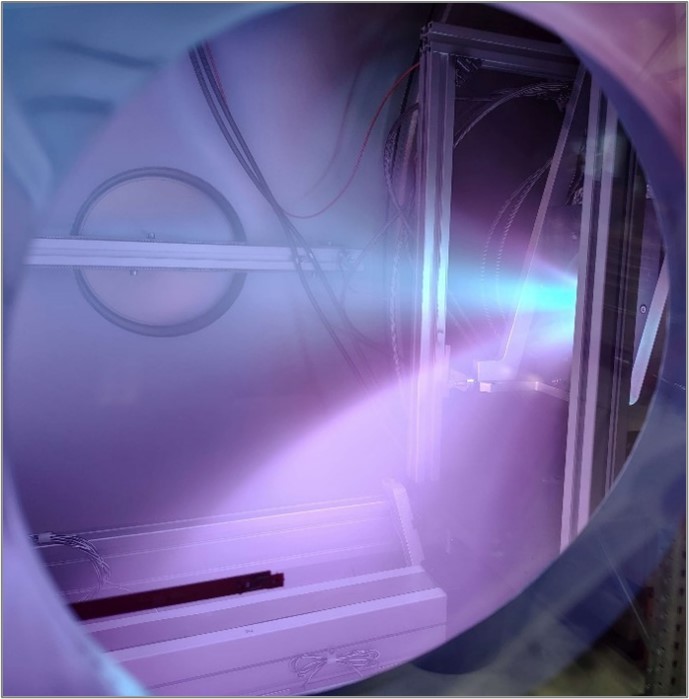
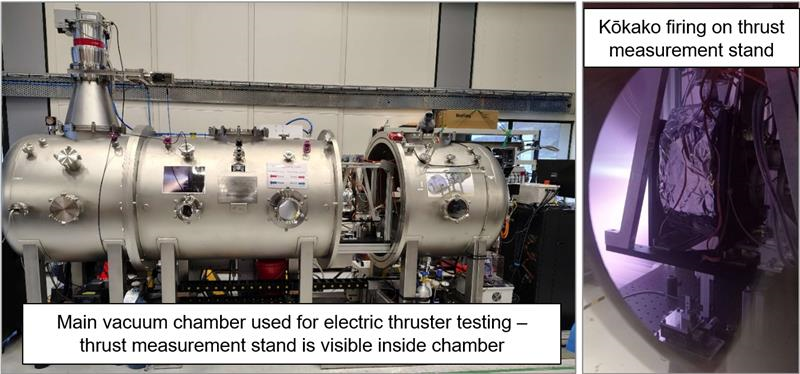
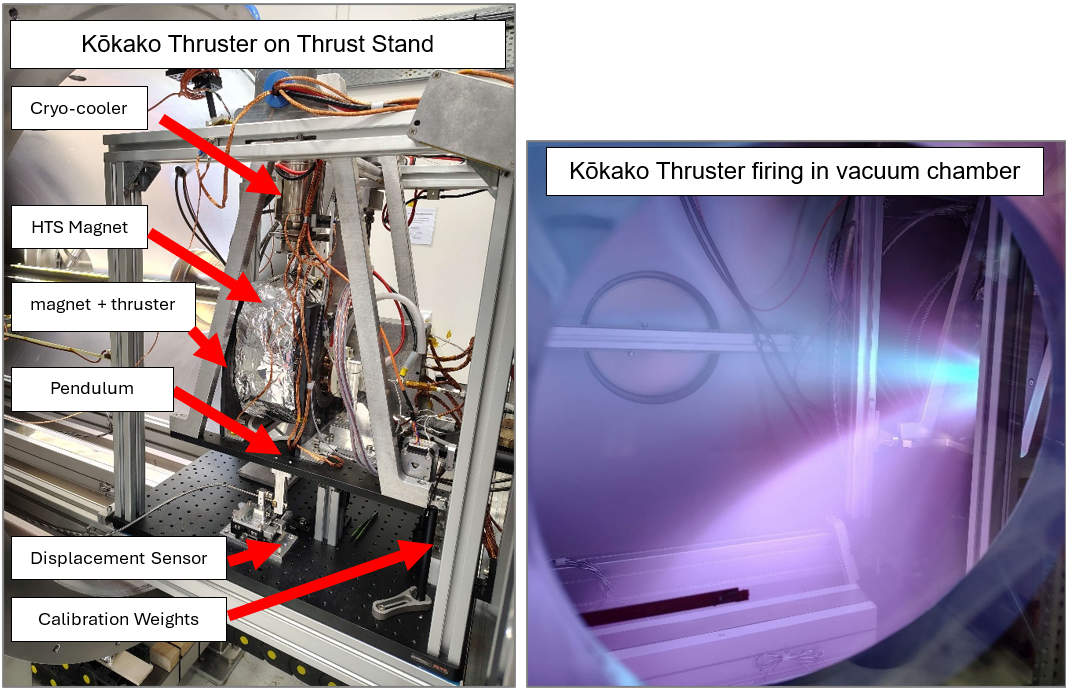
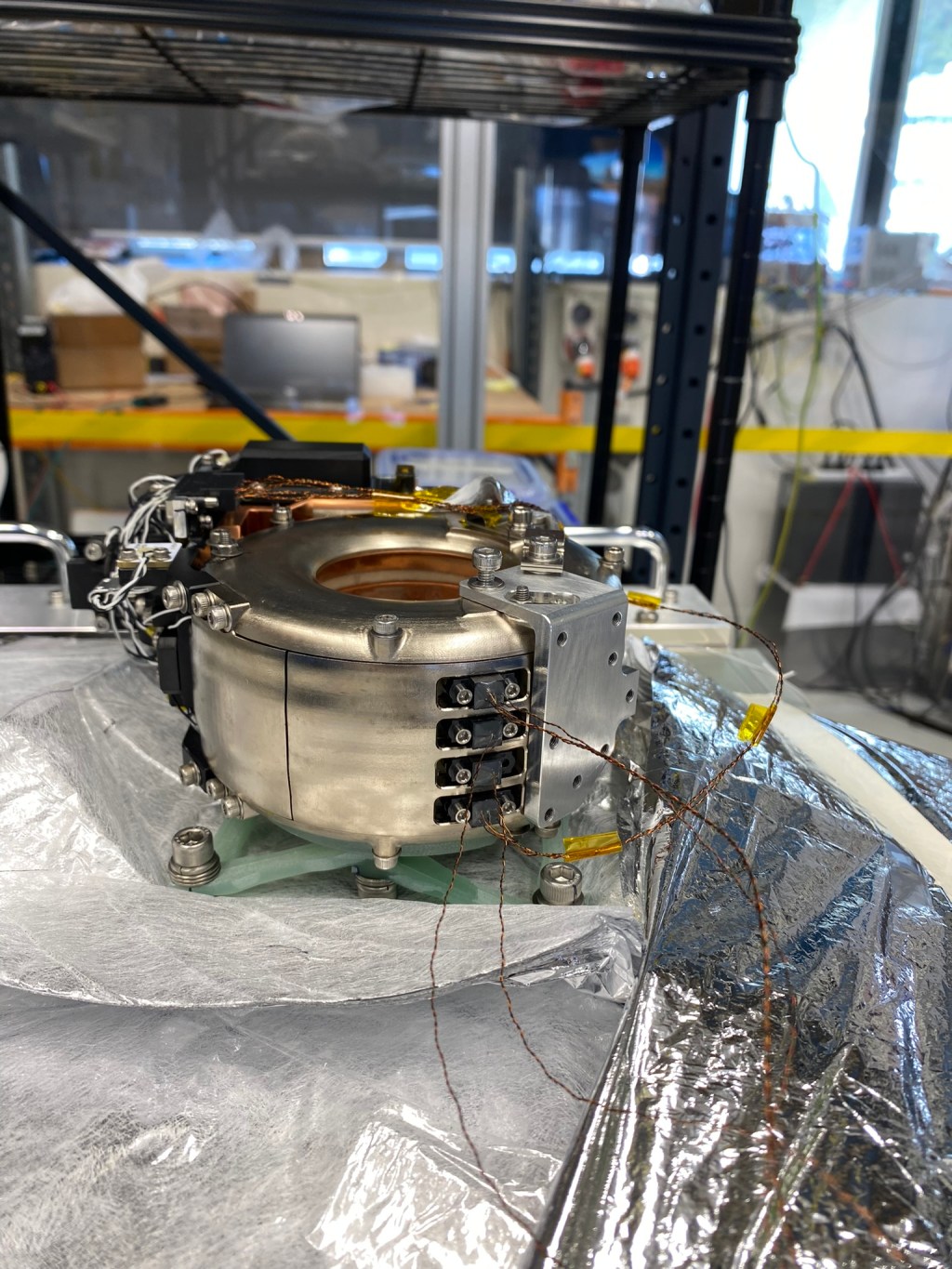
While Hēki verifies a superconducting magnet’s suitability for spaceflight, researchers at Paihau-Robinson are working in our laboratory to quantify how much such a magnet will improve the performance of thrusters used for spacecraft manoeuvres. Our first-generation super-conducting electric thruster – Kōkako – has now achieved more than 300 runs in purpose-built test facilities at the Lower Hutt Gracefield site (see photos below). The facility has been designed to very precisely measure the thrust produced by these electric thrusters.
The superconducting Kōkako magnet was originally constructed for a collaboration with Nagoya University in Japan (click here for the technical paper on this work). On its return to New Zealand, the magnet was coupled to a Robinson-designed ion thruster to test the performance of the two together. The thruster produces a vibrant blue central plume – not unlike the blue wattle of the native kōkako from whence the thruster derives its name (more information on the naming, here).
Electric thrusters are extremely efficient to operate but do not produce enough thrust to lift off from the Earth. Their thrust forces are typically measured in milli-newtons (think: the weight of a single sheet of paper). Consequently, electric thrusters are only used once their host spacecraft has been launched into the frictionless and microgravity environment of space. Once there, the benefits of electric propulsion can be realised by converting the abundant sunlight into electricity (via solar panels). The electricity is used to ionise a propellant gas (often xenon, argon, or krypton) and accelerate this ionised gas into space at extremely high speeds (often >15 km·s‒1!). In this way, an electric thruster can effectively harvest the ‘free-energy’ of the sun rather than needing to carry it all in the form of heavy fuel, as would a chemical rocket.
With the very small quantities of propellant used in operation, a Kōkako-type electrical thruster can operate over long periods, enabling long-haul spacecraft operations to the moon, Mars and beyond. First, however, our team in the lab must demonstrate long-duration operation of a superconducting magnet at –200 °C in close proximity to an electric thruster at >2000 °C.
The Kōkako effort complements Hēki’s demonstration of the suitability of the thruster’s novel technologies for spaceflight. The lessons learned from both Hēki and Kōkako will pave the way for operating a future demonstration of a Kōkako-type thruster in space.
 Paihau—Robinson Space Blog
Leave a comment