

Today, we learned that Hēki’s arrival at the ISS has been delayed:
NASA, Northrop Grumman Assessing Cygnus XL Engine Burn Plan
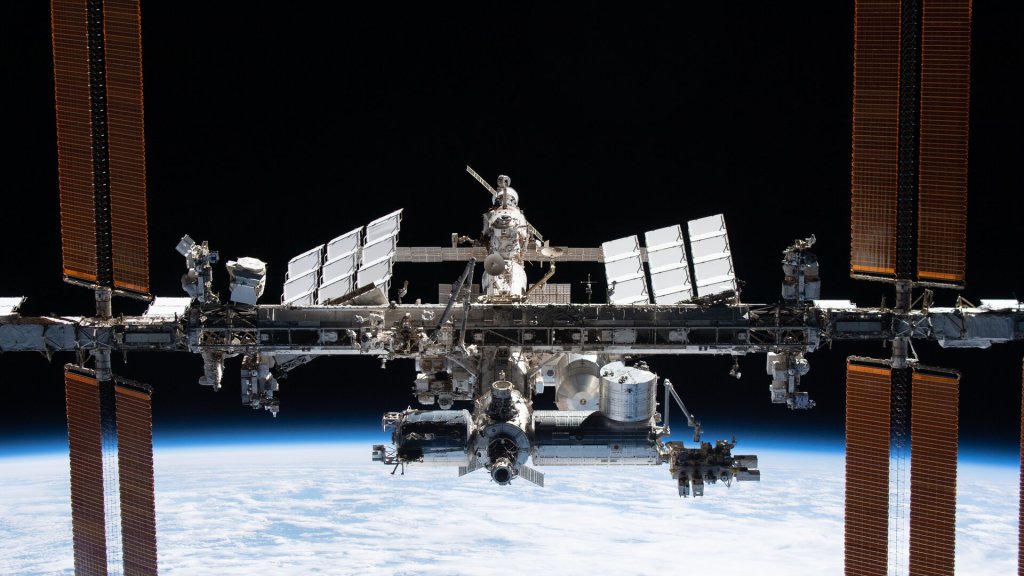
We do not know anything more than what has been publicly released, but we thought it would provide some context on why the cargo vehicle needs to use its own rocket engines once placed in orbit. Whenever a spacecraft is sent to rendezvous with the ISS, it is initially “parked” in a lower orbit. This gives its operators a chance to check it out and ensure they are in full control before carefully approaching the ISS for final docking.
At the moment, Northrop Grumman engineers will be collecting data and preparing for their next attempt to fire the thruster. Due to the rules of orbital mechanics, it might be several days before the Cygnus and ISS are in the correct relative positions for the next rendezvous attempt.
While not common, these sorts of issues during spacecraft checkout are not rare either. Most of the time they can be addressed and the mission can continue with a slight delay.
We encourage you to watch NASA’s ISS blog for updates.
Image Caption: Northrop Grumman’s 21st Cygnus cargo craft is pictured approaching the ISS in 2024.
Image Credit: NASA
 Paihau—Robinson Space Blog
Leave a comment