

Hēki is now scheduled for launch to the International Space Station (ISS)!
We are excited to share that the Hēki technology demonstration payload is scheduled to launch this coming week aboard Northrop Grumman’s 23rd commercial resupply services mission (NG-23) to the International Space Station. NG-23 will launch from Cape Canaveral, Florida on a SpaceX Falcon-9 rocket. Voyager Technologies provided mission management for Hēki’s flight to the ISS and will enable operations once Hēki is installed on the ISS’ Japanese Experiment Module Exposed Facility (JEM-EF).
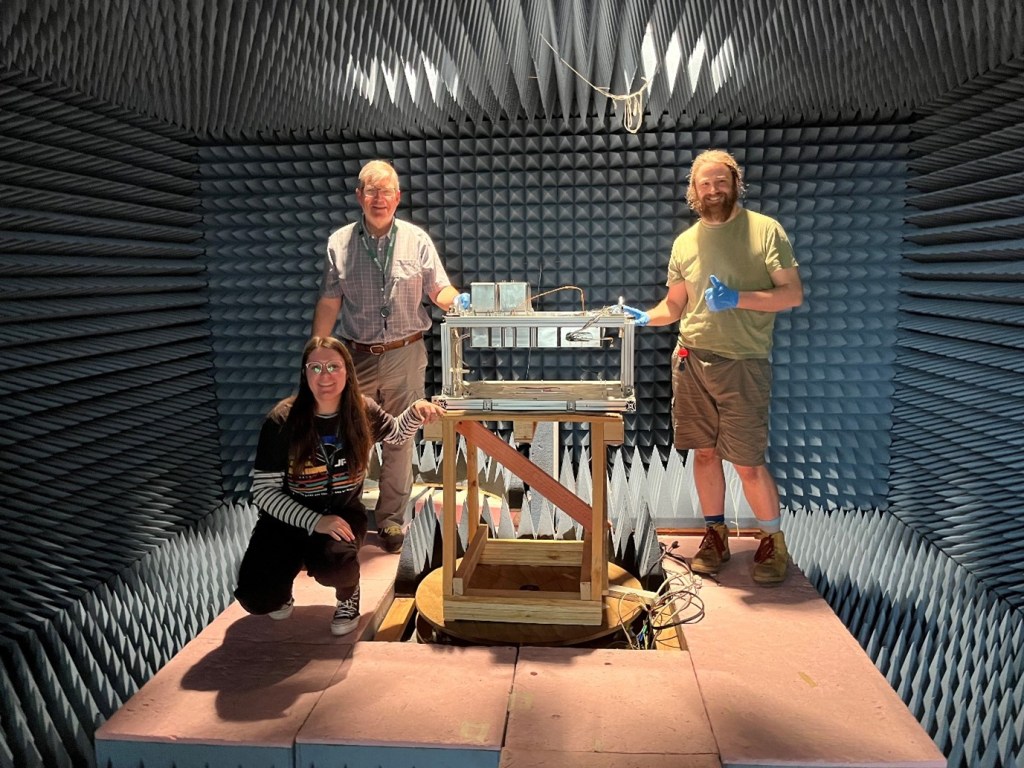
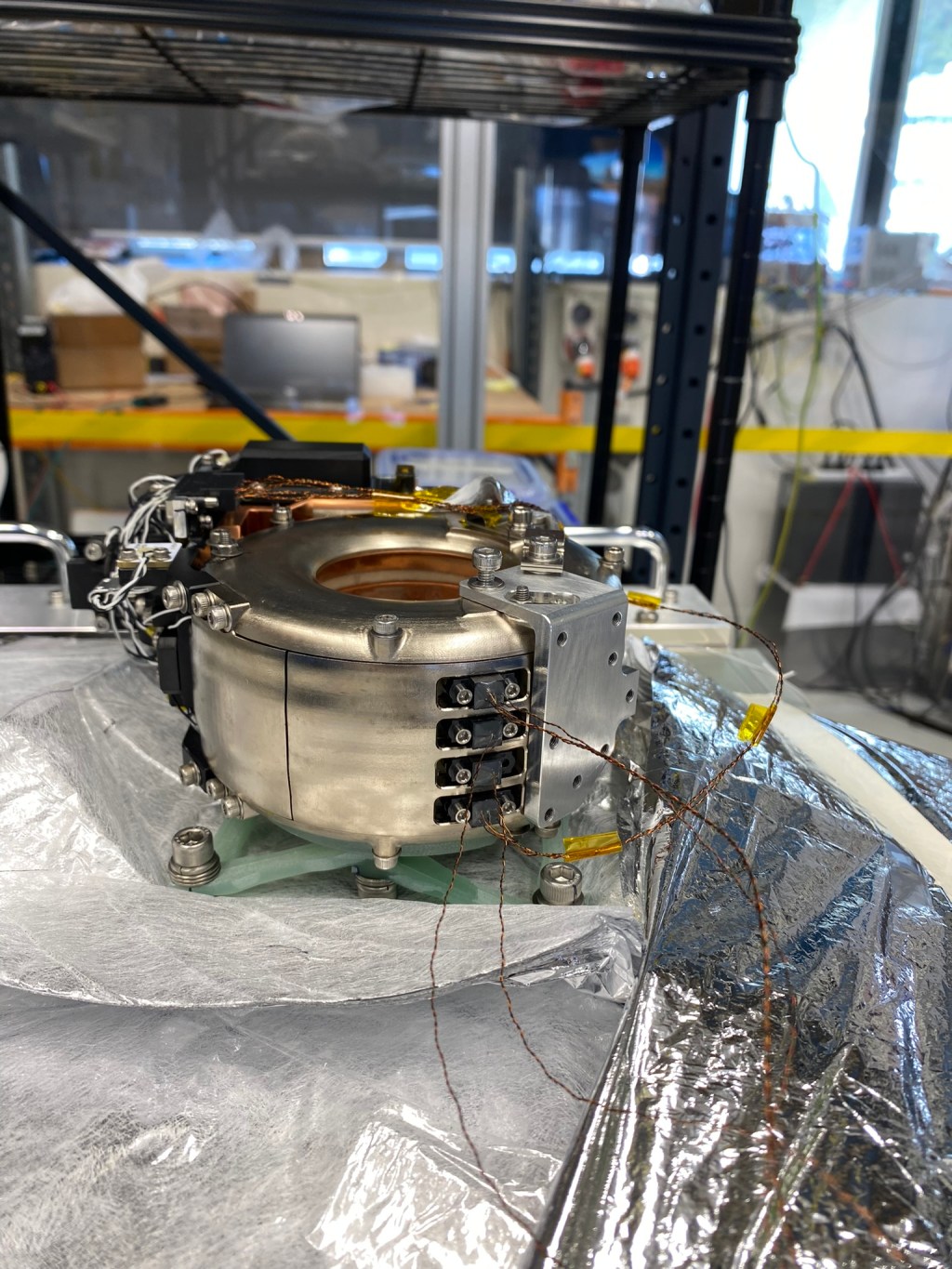
In preparation for the launch, the Hēki team successfully completed an “Operational Readiness Test” (ORT) with Voyager Technologies. The purpose of the ORT was to verify that our team and procedures were ready for on-orbit operations. Using Hēki’s ground-based “engineering model” – which simulates Hēki’s behaviour – the Hēki and Voyager Technologies teams worked together to practice the command procedure and telemetry assessment process for Hēki’s initial on-orbit activities. The lessons learned from the ORT have now been incorporated into the procedures for on-orbit operations.
After years of design, test, and review, our team is looking forward to seeing Hēki fly!
More information on the launch events and timing:
https://www.spacex.com/launches/ng23
About Hēki’s journey to the International Space Station (ISS)
A small group of companies and institutions are authorised to launch supplies and experiments to the space station. Voyager Technologies is providing mission management services for Hēki and coordinated Hēki’s launch assignment.
Hēki will be launched to the ISS on cargo resupply flight NG-23, the 23rd flight of the “Cygnus” cargo vehicle provided by aerospace contractor Northrop-Grumman. NG-23 will be launched by a SpaceX Falcon 9 rocket and will dock with the space station several days later. A summary and timeline of post-launch events can be found, here, and regular updates are provided on the ISS blog.

Figure: Technicians load NG-19 Cygnus space vehicle with cargo for the ISS (2023). Credit: SpaceRef.
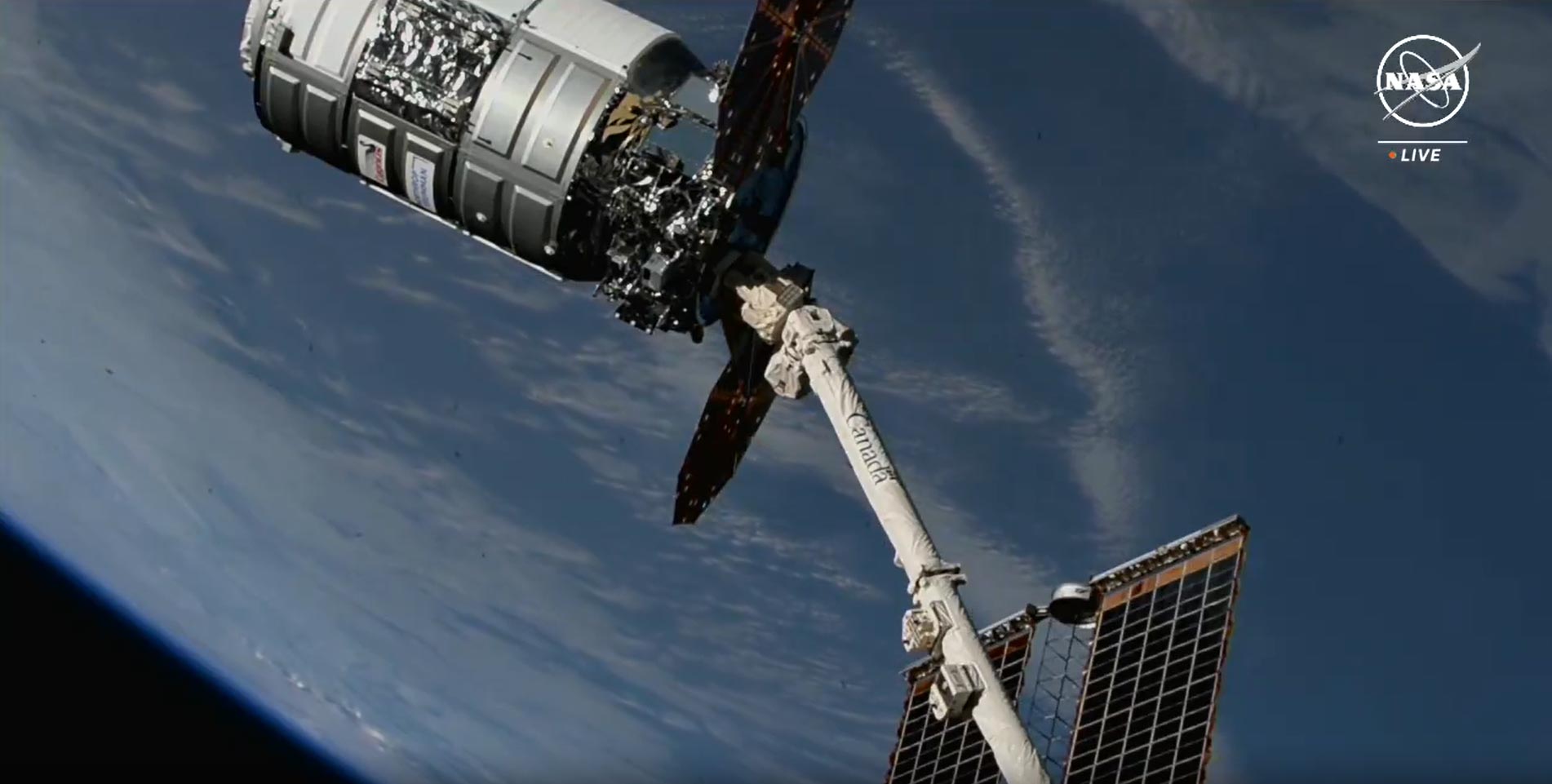
Figure: The “CanadaArm” guides a previous Cygnus vehicle to dock with its designated port on the ISS (2023). Credit: SciTechDaily
The on-orbit crew will unpack the Cygnus vehicle and store Hēki until they are ready to install it on the NanoRacks External Platform (NREP). The NREP serves as Hēki’s power and data interface to the space station and is managed by our mission management partner, Voyager Technologies.
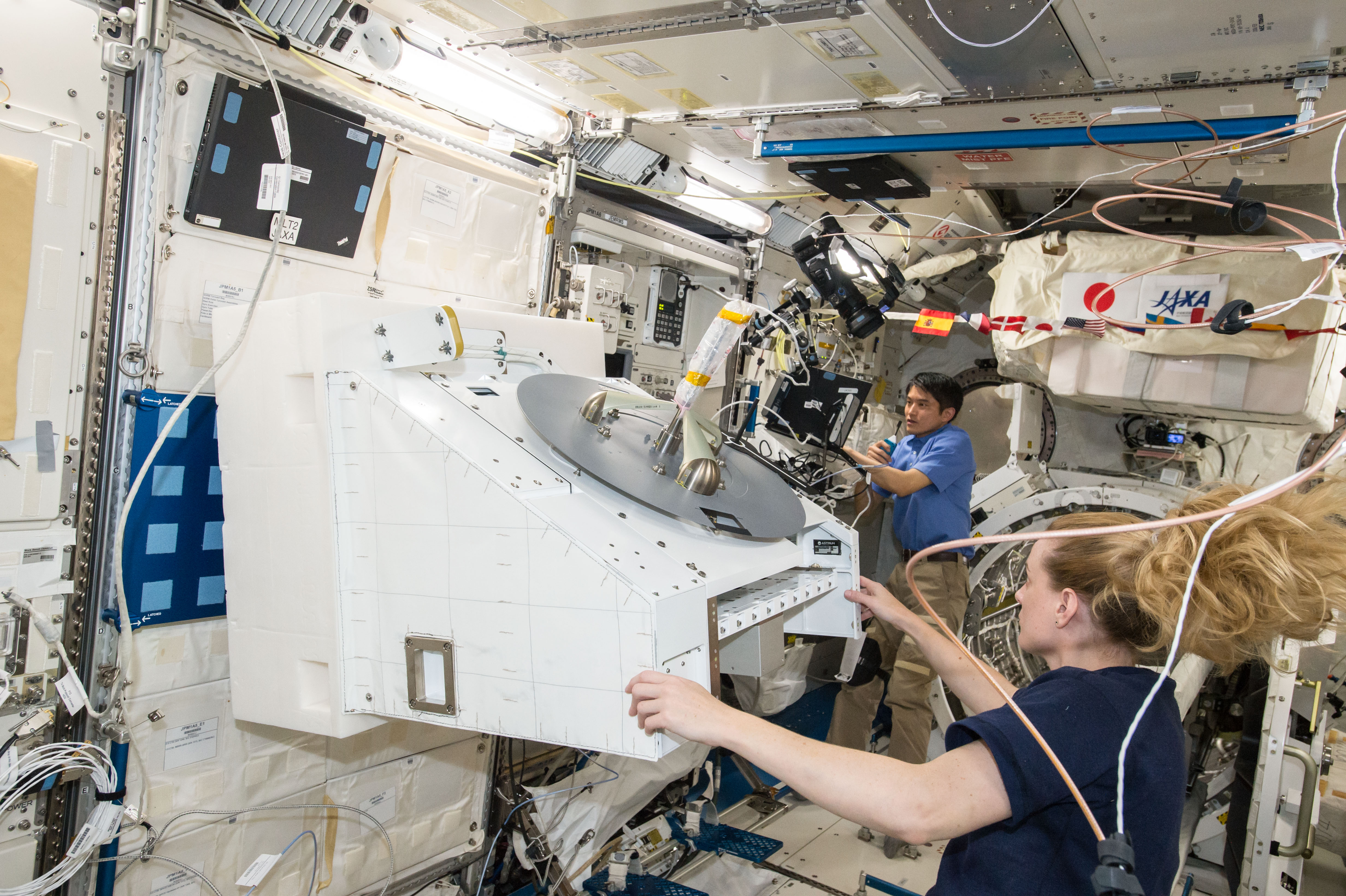
Figure: Astronauts installing previous experiment in NREP. Note robotic arm “grapple” fixture on sloped top of structure. Credit: Wikipedia
Once Hēki is installed in the NREP structure, the NREP will be placed on the “slide table” for the Japanese External Module (JEM) airlock for deployment to the exterior of the ISS. The JEM is managed by the Japan Aerospace Exploration agency, JAXA.
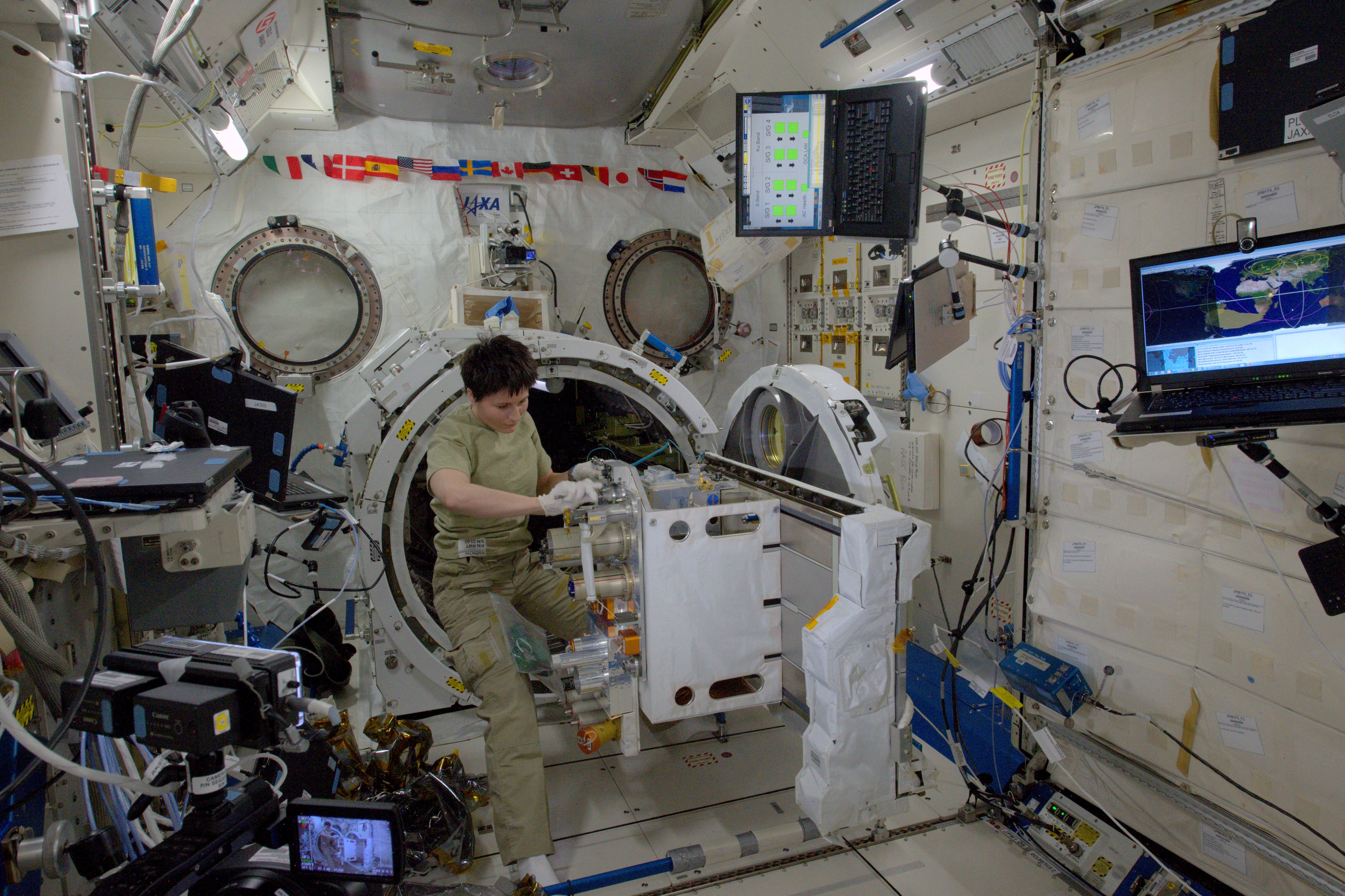
Figure: Astronaut installing previous experiment on JEM airlock slide table. Credit: Samantha Cristoforetti, Flickr
The JEM’s dedicated robotic arm will move Hēki from the airlock to its new home on the Japanese External Module External Facility (JEM-EF).
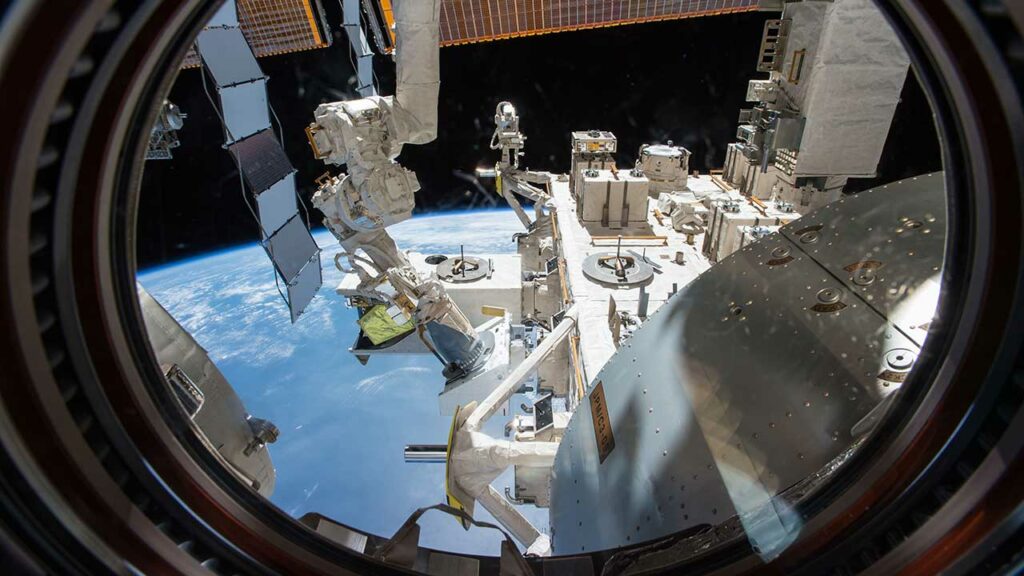
Figure: The JEM robotic arm installing a previous NREP-hosted experiment package on the JEM-EF. Credit: ISS National Laboratory
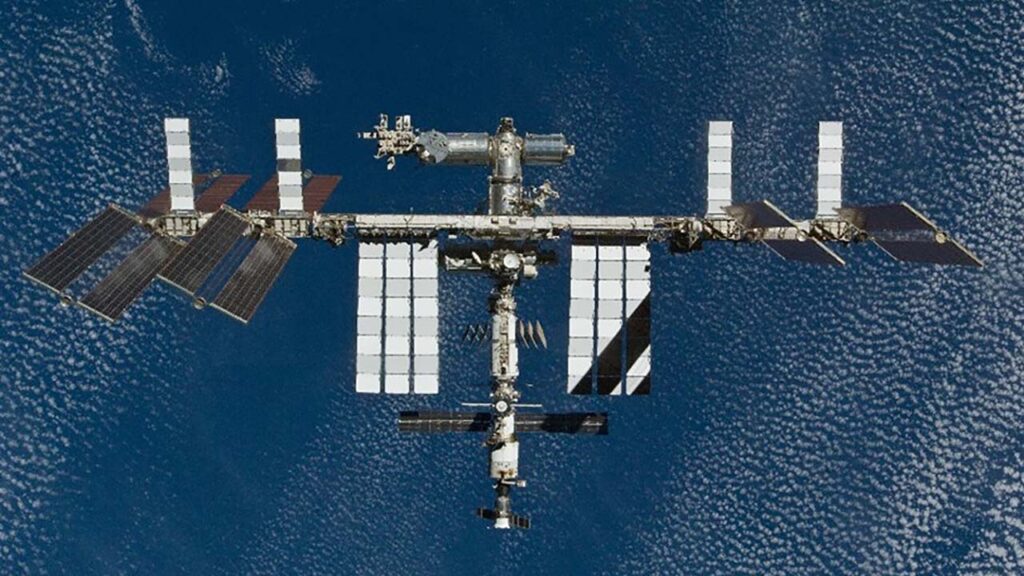
Figure: the ISS, with the JEM-EF shown at upper left of centre. ISS structure is 109m in the longest dimension. Credit: ISS National Laboratory
The JEM-EF will be Hēki’s home for the next several months of testing!
 Paihau—Robinson Space Blog

Leave a comment