

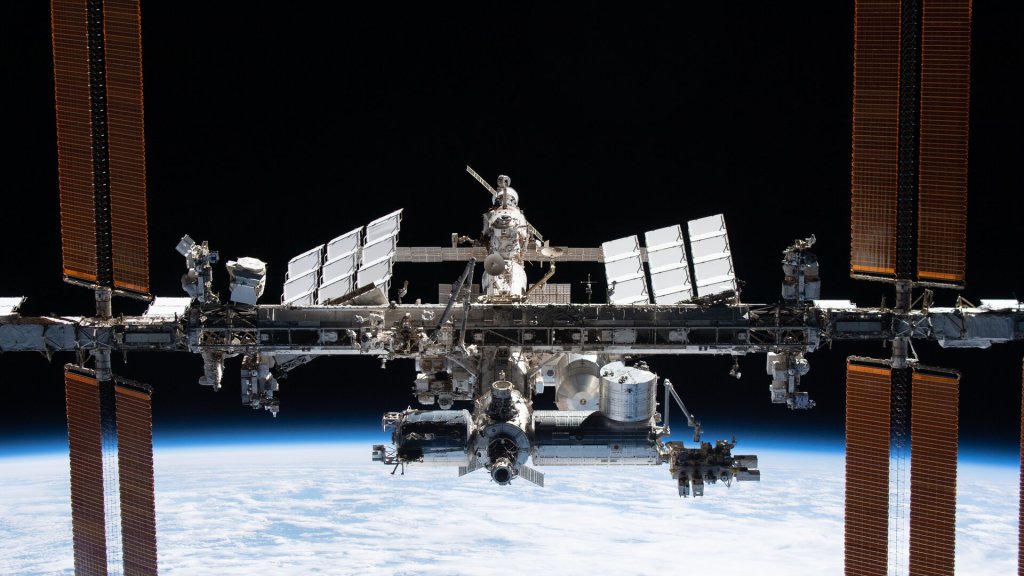
Demonstrating that Hēki would meet its mission objectives started long before the launch. We’ve developed a Mission Goals Checklist (below) to clarify the milestones we plan to achieve. Many of the goals for Hēki’s mission have already been accomplished – see links for details! – while others await demonstration once we start operations after launch and installation on the ISS. We’ll provide additional updates to the list as the mission proceeds so that readers can track our progress.
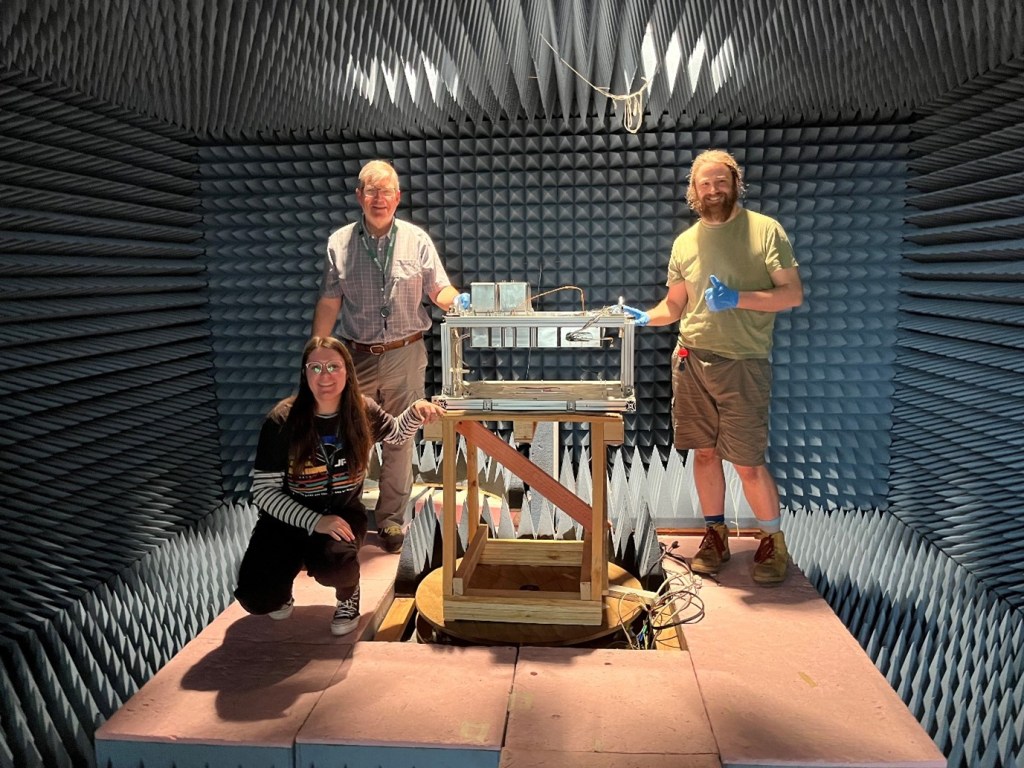
There is always risk when trying something new, and though this risk cannot be completely eliminated, it can be reduced with careful planning. Part of this risk reduction includes doing our best to simulate the conditions of launch and space operations while Hēki was still on the ground, as well as making sure that enough data is gathered during operations in space so that we can learn from any failures and improve going forward. We also train our operations team so that they’re familiar with Hēki’s behaviour and idiosyncrasies. These training activities – called “Operational Readiness Tests” – were conducted with our partners at Voyager Technologies to ensure Hēki’s operations proceed smoothly, and everyone knows what to expect on Day One.
| Before Launch | ||
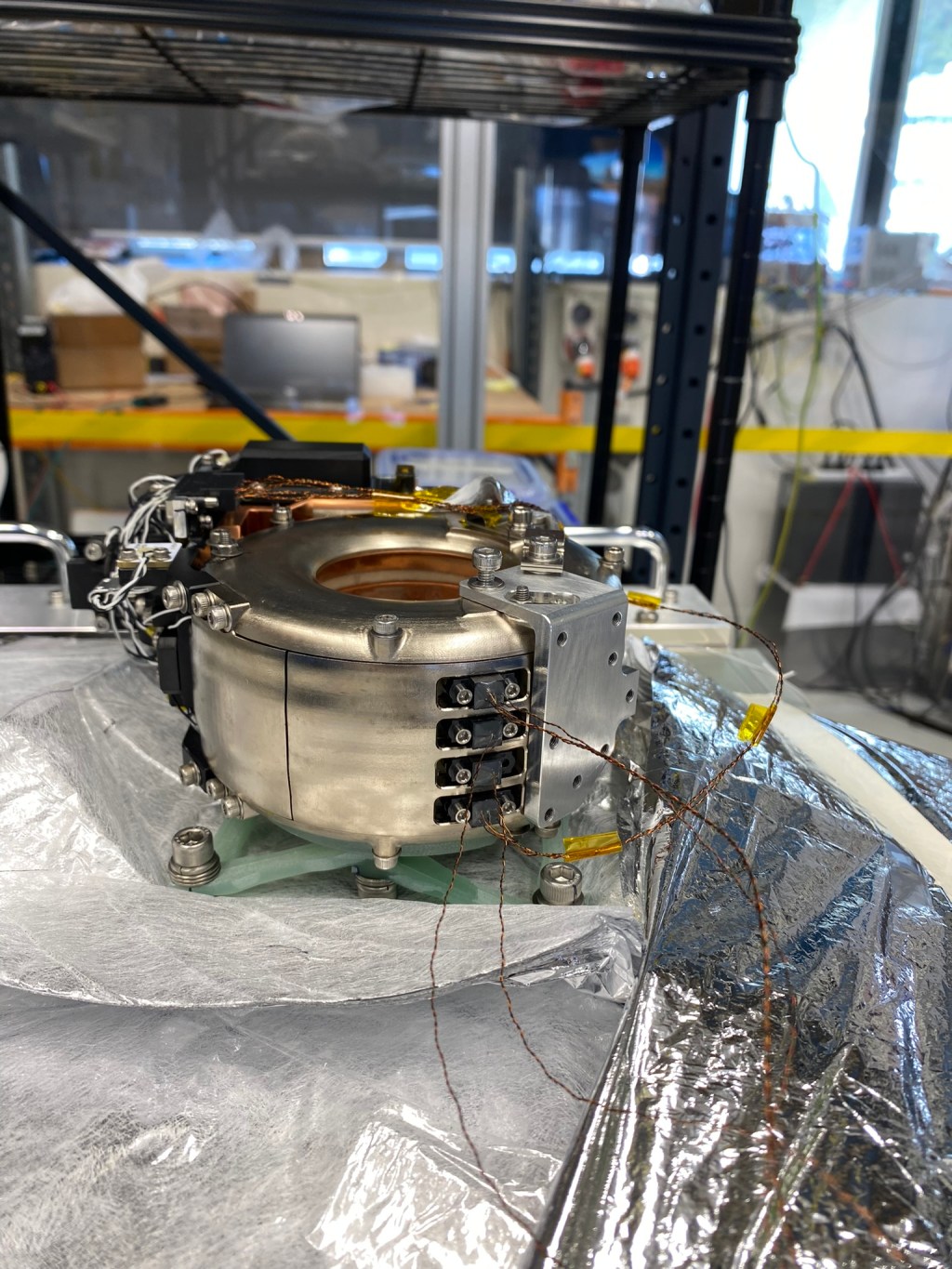
| ✅ | 1 | Build low-power, superconducting magnet system |
| ✅ | 2 | Verify Hēki can survive journey to – and operations in – space |
| ✅ | 3 | Comply with NASA safety requirements |
| ✅ | 4 | Demonstrate successful communication between Hēki and space station computer simulator |
| ✅ | 5 | Verify Hēki team’s readiness for operations in space |
| In space | ||
| 6 | Successfully power on after installation on space station | |
| 7 | Verify magnet is cooled to superconducting temperature (-200C) | |
| 8 | Meet or exceed required magnetic field (300mT) | |
| 9 | Measure effectiveness of magnetic field as a shield for space radiation | |
| 10 | Demonstrate successful operation throughout the mission, including at least three magnetic field cycles | |
| After return to Earth | ||
| 11 | Characterize Hēki to determine if there has been any degradation in performance | |
12 | Repeat characterization after forcing a magnetic “quench” to show that Hēki can safely dissipate stored energy if superconductivity is lost. | |
 Paihau—Robinson Space Blog
Leave a comment